Functional Benefits: A Real and Lasting Advantage
Well-aligned teeth do more than look good in photographs. They can make everyday life easier and more comfortable.
Better chewing and digestion
When your bite is properly balanced, your teeth can break down food more effectively. This can help digestion and make eating more comfortable.
Easier oral hygiene
Teeth that overlap or are crowded create areas that are hard to clean. Straightening them gives better access for brushing and flossing, which supports healthier gums and reduces the risk of decay and future dental work.
Reduced wear and risk of damage
If teeth meet unevenly, certain areas can be placed under excessive stress, leading to chipping, cracking or abnormal wear. Aligning the teeth and bite helps distribute forces more evenly, protecting teeth and the supporting bone and soft tissues.
Improved speech and comfort
In some cases, a poorly aligned bite can affect speech or jaw comfort. Orthodontic treatment can help the jaw move more freely and reduce the need for the muscles and joints to “compensate” for misaligned teeth.
These functional benefits are one of the reasons orthodontic treatment is such a valuable, often once-in-a-lifetime investment in your health.
Facial Aesthetics: Harmony, Balance and Confidence
Your teeth and jaws are a key part of your facial structure. They support the lips and cheeks and influence the way your profile looks from the front and side.
The Role of Teeth and Jaw Position
The position of the upper and lower jaws, and the way the teeth sit within them, can affect whether certain facial areas appear fuller, flatter, more convex, or more concave. Subtle differences in tooth and jaw position can:
- Change how much support the lips and cheeks receive
- Influence the width of your smile
- Affect the overall balance between the upper, middle and lower thirds of the face
Most people are drawn to facial proportions that look harmonious and balanced. Orthodontic planning should take this into account rather than focusing on individual teeth in isolation.
Looking Ahead as You Age
Facial structure naturally changes with age. Volume can be lost from the cheeks, the smile can narrow and the way teeth wear or tilt over time can alter facial support.
Thoughtful orthodontic treatment cannot stop the ageing process, but it can:
- Help maintain a broader, more open smile
- Support the lips and cheeks more effectively
- Reduce the impact of tooth tilting or drifting on facial appearance
For many adults, improving overall facial aesthetics – alongside achieving a straighter smile – is an important reason to consider treatment.
When Jaw Surgery Works with Orthodontics
Most orthodontic concerns can be treated with braces or aligners alone. In some cases, however, there are underlying jaw or bone discrepancies that are best managed in partnership with a maxillofacial (jaw) surgeon.
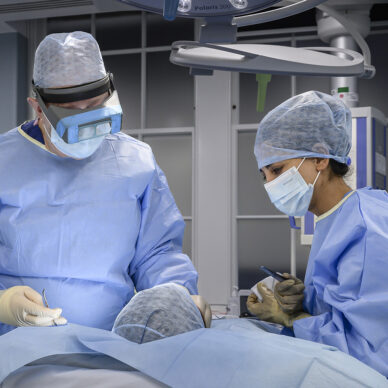
At Harley Street Orthodontics, orthodontists and maxillofacial consultants work closely together when surgery could improve both function and appearance.
Orthognathic (Jaw) Surgery
Orthognathic surgery may be considered when there is a significant imbalance between the upper and lower jaws that braces alone cannot correct.
Examples include:
- A very prominent or very retruded lower jaw
- A mismatch between the upper and lower jaws that affects the bite and facial profile
- Issues with facial symmetry related to jaw position
Orthodontic treatment is used before and after surgery to align the teeth so they fit together correctly once the jaws are repositioned. The goal is a more stable bite and an improved facial balance.
Dentoalveolar Surgery
The alveolar bone is the part of the jaw that supports the teeth. In some situations, minor surgical procedures to this area can help orthodontic treatment run more smoothly, for example:
- Guiding an unerupted or impacted tooth into position
- Removing teeth that are complex to extract
- Reshaping bone or removing small bony irregularities that interfere with tooth movement
These procedures are planned with both the surgeon and orthodontist to ensure they support the overall treatment aims.
Jaw Joint and Other Facial Conditions
For patients with temporomandibular joint (TMJ) problems, or other conditions affecting the facial bones and soft tissues, a combined approach may be recommended.
Orthodontic treatment can:
- Help create a more balanced bite, reducing strain on the jaw joints
- Support the way the jaw moves and functions day to day
Where necessary, a maxillofacial consultant may provide additional care for the joints, cartilage, muscle or other structures around the jaw.
Having both specialties within the same Harley Street clinic means your treatment can be planned as a single, coherent pathway, rather than as separate stages.
A Personalised Journey from Start to Finish
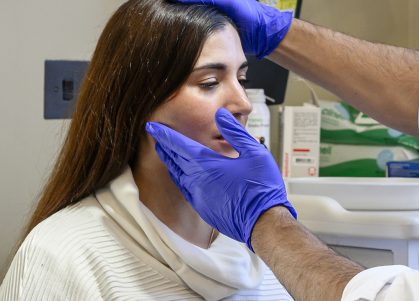
Every patient is unique. The amount of tooth movement required, the shape of your jaws and your facial profile all influence the most suitable treatment plan.
From your first consultation, we will:
- Take a detailed history and listen to your concerns and goals
- Use modern imaging and digital planning tools to understand your teeth, bite and jaw position
- Consider how any changes will affect both function and facial aesthetics
- Discuss whether braces, aligners alone, or a combination with jaw surgery is likely to give the best result
You will have the opportunity to see and discuss the intended outcome and to ask questions at each stage. Our aim is to create a result that feels natural, looks good and supports your long-term oral health.
Find Out What Orthodontics Could Achieve for You
Orthodontic treatment can transform more than your smile. By bringing together specialist orthodontic care, facial aesthetic planning and, where needed, jaw surgery, we aim to deliver lasting improvements to function, appearance and confidence.
If you would like to explore what orthodontics could achieve for you, please contact Harley Street Orthodontics to arrange a consultation and discuss the options that best suit your needs.